Kruger National Park is South Africa's best-known safari destination, but that's only part of the story. Few places offer so many different ways to experience the bush. Here you'll find Big 5 game drives and bird-rich river systems, towering baobabs and endless savannah, relaxed self-drives and some of Africa's finest private lodges. Whether you're ticking off your first lion sighting or returning because nowhere else quite scratches the same itch, Kruger always has another chapter to reveal. Spanning nearly two million hectares along the Mozambique and Zimbabwe borders, it's one of Africa's greatest wildlife landscapes, with experiences to match almost every style of safari-seeker.

The first thing to know is that there isn't just one Kruger safari. There's the public national park, where an extensive road network, rest camps and excellent wildlife viewing make independent exploration wonderfully rewarding. Then there's Greater Kruger – a collection of private reserves including Sabi Sand, Timbavati, Klaserie, Manyeleti, Thornybush and Kapama, all sharing unfenced borders with the national park. The wildlife moves freely between them, but the safari experience can feel entirely different depending on where you stay.


Quick Facts About Kruger National Park

  • Where It Is: Northeastern South Africa, along the borders of Mozambique and Zimbabwe

  • Best For: Big 5 safaris, first-time safari travellers, families, honeymoons, private reserves, and photographic safaris

  • Signature Experiences: Leopard sightings in Sabi Sand, walking safaris, night drives, off-road tracking where permitted, and Big 5 game drives

  • Ideal Trip Duration: Three nights minimum; five to seven nights for a broader Greater Kruger safari experience

  • Getting There: Fly from Johannesburg to lodge airstrips or airports near Kruger, including Hoedspruit, Skukuza and Kruger Mpumalanga International Airport


Why Visit Kruger National Park?

Kruger National Park is one of Africa’s most accessible Big 5 destinations – and a very good place to discover why safari has a habit of becoming an obsession. It’s easy to reach from Johannesburg, the wildlife viewing is superb, and the choice of lodges and private reserves means you can do Kruger your way. Travel with the family, retreat to a private villa, let expert guiding lead the trip or combine the bush with Cape Town, Victoria Falls or a few barefoot days on an Indian Ocean island.

Its scale is impressive, but Kruger’s real draw lies in everything that lives within it. From lion, leopard, elephant, rhino and buffalo to giraffe, zebra, hippo, wild dog, antelope, reptiles and hundreds of bird species. The scenery shifts as you travel too, moving between riverine forest, open grassland, granite outcrops, mopane woodland and acacia thornveld. One sighting might reveal a leopard draped over a branch; the next, a herd of elephants threading through the mopane or a riverbank in full feathered commotion.

For many guests, the private reserves adjoining the national park bring a sense of freedom and intimacy. Here, your guide can often follow tracks off-road, spend longer at a sighting and shape each drive around what the bush is doing rather than where the road leads. Sabi Sand is famous for leopard, Timbavati pairs excellent elephant and buffalo viewing, and Thornybush brings strong Big 5 sightings alongside serious conservation work. Kruger gives you the scale, the species and the thrill of the unknown. The surrounding private reserves add flexibility, exclusivity and fewer reasons to rush.


Why Choose Kruger National Park for a Luxury Safari?

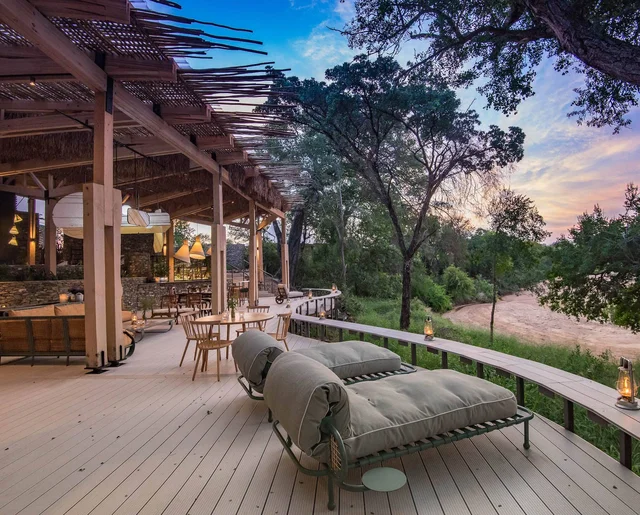
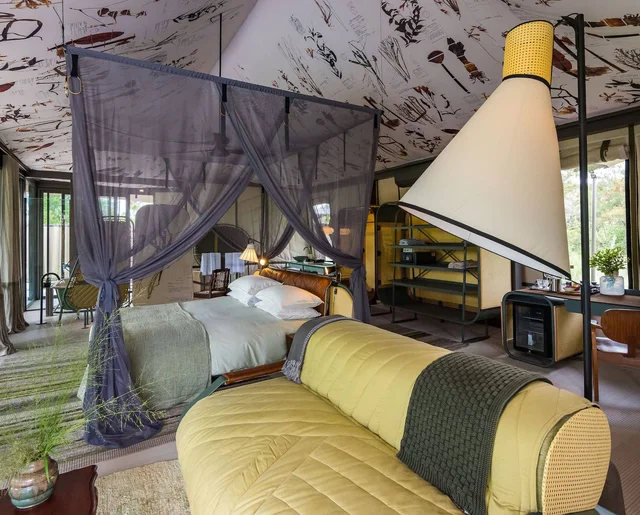
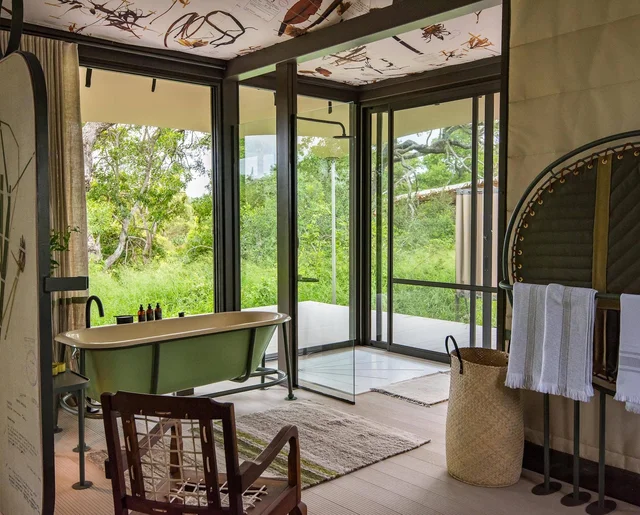
A Kruger luxury safari is not defined by thread count alone. It’s the full scope of the stay: waking to coffee before the first drive, returning to a beautifully designed lodge while the bush still hums beyond your deck, and having every detail handled without the experience ever feeling staged.

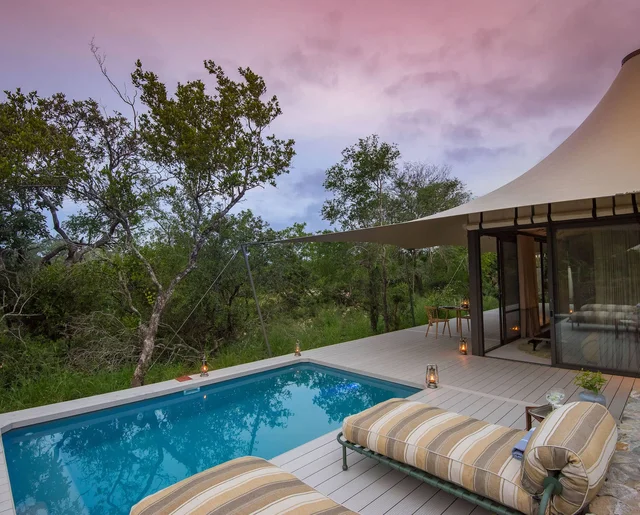
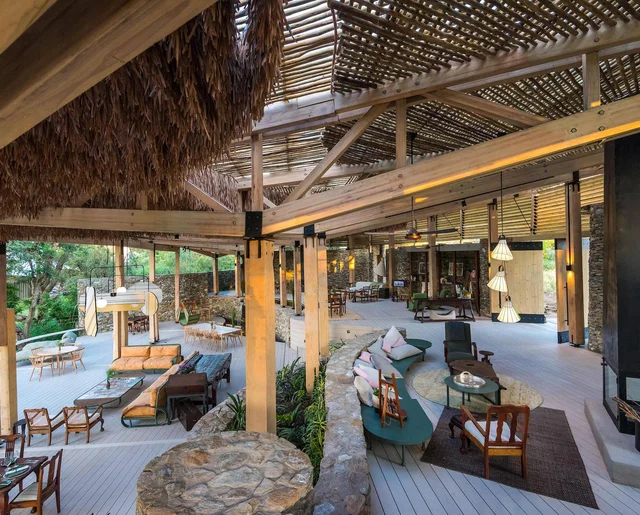
Kruger’s finest lodges know that the hours between game drives matter too. There may be a plunge pool overlooking a dry riverbed, lunch beneath the trees, an excellent wine cellar or a spa treatment timed for the heat of the afternoon. But the real luxury is often quieter: space, privacy, exceptional hosting and a guide who knows when to explain, when to wait and when to let the bush do the talking.

The setting you choose gives each stay its own character. A lodge inside the national park might place you deep within Kru ger’s vast wilderness, while a private concession or neighbouring reserve can offer a more curated experience. Add thoughtful touches, serious conservation credentials and the sort of service that remembers that you like your latte with almond milk after one morning, and Kruger proves that luxury can be polished without losing its soul or sense of adventure.


When Is the Best Time to Visit Kruger National Park? 

Kruger is a year-round safari destination, but the experience changes between dry and green seasons.

Season Months Best For
Dry Season May to September Big 5 viewing, clearer sightings, waterhole activity and cooler mornings
Shoulder Months April, May, September and October Photography, changing landscapes and strong wildlife viewing
Green Season November to April Birdwatching, newborn wildlife, dramatic skies, lush scenery and fewer guests


May to September: Dry Season

The dry season is the classic Kruger National Park safari window, especially for first-time safari guests. Vegetation thins, water becomes more limited and wildlife is often easier to see around rivers, dams and waterholes, which means less guesswork and more reliable visibility on game drives. Mornings can be cold in open vehicles, but that first coffee stop makes the early start feel worthwhile.

This is a strong time for Big 5 focused trips, first safaris and guests who want their Kruger experience to feel as rewarding and straightforward as possible.

November to April: Green Season

The green season brings a very different Kruger, with summer rain, fresh growth, migrant birds and dramatic afternoon skies. The bush is thicker, so sightings can take more patience, but the reward is a greener, more alive-looking landscape with excellent birding and beautiful photographic conditions.

This season suits birdwatchers, photographers, repeat safari guests and those who enjoy a safari that feels less dry and often less busy in certain areas.

April, May, September and October: Shoulder Months

The shoulder months are often where clever Kruger planning happens. April and May can bring soft light, lingering greenery and a gentle shift out of summer, while September and October offer more open landscapes, warmer tones and wildlife gathering around remaining water before the first proper rains.

These months work especially well for guests who care about photography, atmosphere and strong game viewing, but do not necessarily want to follow the most obvious peak-season route.


Top Things to Do in Kruger National Park 

Go on Big 5 Game Drives 

Kruger Park is one of the best places in Africa for a Big 5 safari, with lion, leopard, elephant, rhino and buffalo all found across the wider ecosystem. In private reserves, guides can often follow fresh tracks, read alarm calls and spend time with individual animals they have come to know through years of careful observation.

The best sightings here are rarely rushed. Elephants feeding beside the safari vehicle or lions resting after a hunt often reward patience more than mileage.

Track Leopards in Sabi Sand 

Sabi Sand is widely regarded as one of Africa’s best places to see leopard. Careful guiding over many years, known leopard territories and excellent tracking have made this private reserve especially strong for big cat viewing and photography.

This is one of the clearest examples of why reserve choice matters in Kruger. If leopard is high on your list, or you are planning your safari around big cat photography, Sabi Sand deserves serious consideration.

Head Out After Dark

Night drives are one of the great advantages of staying in a private reserve. The bush doesn’t clock off at sunset, and as the public park settles for the evening, leopards start moving, hyenas call, owls and nightjars appear, and smaller nocturnal species such as civets, genets and honey badgers may emerge.

A night drive gives you access to the hours when sound, scent and movement take over, and the same landscape begins to feel completely different.

Try a Walking Safari 

Walking safaris bring the bush down to a more manageable scale. With an expert ranger, you start noticing tracks, spoor, termite mounds, bird calls, seed pods and wind direction, each one adding to the story of what has passed through and what may still be nearby. Every step asks for closer attention, and the reward lies in how much the bush reveals when you slow down and look.

After several game drives, a walk can add real depth to the safari, shifting your attention from big sightings to the smaller signs your guide is reading before anything comes into view.

Plan a Photographic Safari 

Private reserves are excellent for photographers because they give you what good wildlife photography needs most: time. A guide who understands photography will think about light, angle, background and animal behaviour, then position the safari vehicle carefully and let the moment develop without rushing you on. 

The reserve, season, guide and vehicle setup all matter. Seeing a leopard is one thing. Having the space, patience and lighting to capture the way it moves through the shade is what makes the photograph.


Let’s Start Planning

Kruger may be South Africa’s best-known safari destination, but the best trip depends on decisions that happen long before the first game drive. Speak to our Travel Experts and we’ll shape the reserve, lodge and timing around the safari you want.

Kruger National Park Highlights

  • South Africa’s best-known Big 5 safari destination
  • Exceptional wildlife across nearly two million hectares
  • Choice of public park safaris and private Greater Kruger reserves
  • Strong options for first-time safari travellers, families and photographers
  • Easy combinations with Cape Town, Victoria Falls and Mozambique

In Africa, It's Not About What You Know, But Who You Know.

We've partnered with the best to ensure you get front row seats at the best possible price.

Frequently Asked Questions

We've taken the liberty to answer everything you may need to know about visiting Kruger National Park

  • Yes, a Kruger National Park safari is an excellent first safari. It offers strong Big 5 wildlife, good access from Johannesburg, a wide choice of lodges and private reserves, and safari experiences that can be matched to your travel style, budget and expectations.

  • Kruger Park is home to the Big 5, along with giraffe, zebra, hippo, wild dog, hyena, antelope, crocodile, more than 500 bird species and a wide variety of reptiles and smaller wildlife. Sightings vary by area, season and guiding quality.

  • Kruger National Park is the public national park, with public roads, rest camps and set gate times. Greater Kruger refers to the wider ecosystem, including private reserves such as Sabi Sand Game Reserve, Timbavati, Klaserie Private Nature Reserve, Manyeleti, Thornybush and Kapama, many of which share unfenced boundaries with the national park.

    Wildlife moves freely through much of this wider system, but the safari experience changes depending on where you stay. Public Kruger offers scale and classic national park game viewing, while private reserves usually offer lower guest numbers, guided game drives, more flexible access and a more lodge-led safari experience.

  • Public Kruger is best if you want scale, classic national park game viewing and a more independent safari style. It’s generally more accessible and often more cost-conscious, but vehicles stay on designated roads and game drives work around national park gate times.

    A private reserve in the Greater Kruger is better if you want a more guided, polished and flexible safari. Guest numbers are lower, sightings are usually better managed, and guides may be able to track off-road where permitted. Many private reserves also offer night drives and walking safaris, which can make the experience feel more personal and complete.

    For first-time guests wanting ease, privacy and expert guiding, we usually recommend a private reserve. For travellers who enjoy independence, self-driving and the scale of the public park, Kruger National Park itself works well.

  • Sabi Sand is a private game reserve that shares an unfenced boundary with Kruger National Park. Wildlife moves freely between the areas, but Sabi Sand is privately managed and offers a more exclusive safari experience, with off-road tracking, night drives and walking safaris where permitted. It’s especially well known for leopard sightings.

  • Where you go in the Greater Kruger depends on the safari you want. These reserves share the wider ecosystem, but the guiding style, lodge atmosphere, landscape and vehicle density can change the feel of the trip considerably.

    • Sabi Sand Game Reserve: The classic choice for leopard, luxury lodges, strong Big 5 viewing and photography. It works especially well for first-time safari guests who want excellent wildlife with a high level of comfort. 

    • Timbavati Nature Reserve: A more understated reserve with mopane woodland, strong elephant and buffalo sightings, good lion activity and characterful lodges rooted in the bush.

    • Klaserie Private Nature Reserve: Suited to guests who want space, strong guiding and a lighter-touch safari experience with a clear conservation focus.

    • Manyeleti Game Reserve: Excellent Big 5 country with a less mainstream feel, fewer lodges and more room around sightings than the busier private reserve areas.

    • Thornybush Game Reserve: A long-established private reserve option known for Big 5 viewing, high-end lodges and a polished Greater Kruger safari experience.

    • Kapama Game Reserve: A very accessible Greater Kruger option, with varied lodge styles, Big 5 viewing, photographic opportunities and easy access via Hoedspruit.

  • Where you stay depends on what you want from your safari. Our Travel Experts will recommend the right safari lodge or tented camp based on your travel style, season, budget and how Kruger fits into the rest of your South Africa itinerary. Depending on your itinerary, options may include: 

  • We recommend at least three nights in Kruger or the Greater Kruger area. That gives you enough time for several game drives, a better chance of varied sightings and space to settle into the early starts and slower hours between safaris.

    Four to five nights works well if you want more time in the bush, whether that means following wildlife over a few days, adding a walking safari or enjoying the lodge without feeling rushed. With five to seven nights, you can combine two different reserves, such as Sabi Sand and Timbavati, for a broader Kruger safari with more contrast.

  • A luxury Kruger safari cost depends on the reserve, lodge, season, room category and how the trip is put together. Private lodges usually sit at a higher price point, but the value is not only in what is included. It’s in the guiding, access, lower vehicle density, conservation fees and the ease of having each day shaped around the bush rather than a fixed schedule. 

    The best Kruger safari is not always the most expensive one. Speak to a Rhino Africa Travel Expert and we’ll help match the reserve, lodge and timing to you. 

  • Most Kruger safaris begin with a flight into Johannesburg, followed by a short connection closer to the bush. Depending on where you are staying, you may fly directly to a lodge airstrip or into one of the regional airports, such as Hoedspruit, Skukuza or Kruger Mpumalanga International Airport.

    For many luxury safaris, a charter flight into the lodge airstrip is the smoothest way to arrive, especially when time is precious and the first game drive is waiting. Commercial flights and road transfers can also work well, depending on the route. Driving from Johannesburg is possible and usually takes around six hours, but after a long-haul flight, most guests prefer to reach the bush feeling rested rather than road-weary.

  • No, Kruger is not malaria-free. Before travelling, speak to your doctor or a travel clinic for advice on malaria prevention suited to your route, season and personal health. While in the area, use mosquito repellent, sleep under nets where provided, and wear long sleeves and trousers around dawn and dusk when mosquitoes are most active.

  • Yes. Kruger and Cape Town are one of South Africa’s strongest safari-and-city combinations. Most guests fly between the regions, allowing time for Big 5 safari, Table Mountain, the Cape Peninsula, the Winelands and Cape Town’s food and culture.

  • Kruger combines well with other Southern Africa destinations and sights including; the Panorama Route, Cape Town, the Cape Winelands, Victoria Falls and Mozambique. Cape Town adds coastline, culture, food and mountain scenery. Victoria Falls brings the Zambezi River and a different kind of natural wonder. Mozambique offers warm Indian Ocean water and a slower beach finish after the bush.

    The trick is getting the logistics right. We’ll curate the route so flights, transfers and timing work cleanly, rather than turning a brilliant combination into an exhausting journey.


Some more useful Kruger National Park Travel Tips