See on map
The Cape Winelands begin just beyond Cape Town, where the city gives way to mountain passes, vineyard valleys, and the kind of lunch plans that somehow become an entire afternoon. Stellenbosch, Franschhoek, and Paarl may sit close together, but each has its own personality, so choosing where to stay can shift the whole tone of the trip: polished and historic, food-led and French-inflected, or quietly grand with gallery-lined streets worth building a day around.
Cape Town is our home, and we know these valleys the way you know your own neighbourhood. We can arrange private cellar access, secure the restaurant tables that fill up the fastest, and build a Winelands visit into your broader South Africa journey, whether a full day from the city or several nights on a wine estate before heading further afield.
Where It Is: Roughly a 45-minute to an hour drive from Cape Town, in South Africa's Western Cape, depending on which region you desire
Best For: Wine tasting, fine dining, scenic drives, romantic stays, art, heritage, and history
Signature Experiences: Private cellar tastings, wine pairings, estate picnics, fine dining, Cape Dutch architecture, art galleries, scenic drives, and the Wine Tram
Ideal Duration: 2–3 nights, or one full day as part of a Cape Town stay
Getting Around: Private transfers are recommended, while guided tours are available for multi-estate visits
The Cape Winelands sit close enough to Cape Town for a day trip but have enough depth, beauty, and variety to justify several nights. The coastal climate, mountain geography, and three centuries of winemaking contribute to the character of its vines, set against a backdrop of rugged ranges and Cape Dutch farmhouses.
Wine may set the route, but exquisite cuisine, Cape Dutch gables, mountain roads, gallery corners, and small-town tranquility reward a slow wander.
Stellenbosch brings the energy of a historic university town alongside some of South Africa’s most established wine routes. Franschhoek’s restaurant scene is exceptional by any measure, with French Huguenot heritage still woven into its streets, menus, and polished village feel. Paarl adds scale, granite-backed scenery, heritage estates, and a more open-country character to the mix.
The region slips easily into a South Africa journey: as a soft landing after a long-haul flight, a full day escape from Cape Town, or a languid few nights before branching off into the Garden Route or on a safari.
The real luxury of the Cape Winelands is having the day shaped around you. Self-explored, it can easily become a blur of tasting rooms, wrong turns, and brunch booked slightly too late. A curated one feels completely different: a private cellar tour, estates paired with purpose, restaurant reservations made well ahead, and tastings chosen for what you actually enjoy drinking rather than what happens to be nearby.
A night or two on a wine estate gives the Winelands room to work its charm. You are no longer trying to squeeze Franschhoek, Stellenbosch or Constantia into a single neat outing from Cape Town. You can wake to vineyard views, follow the day from cellar door to shaded lunch table, and let the final tasting lead naturally into dinner. For guests visiting from the city, we arrange private transfers to keep things relaxed, comfortable and blissfully free of “who’s driving?” negotiations.
Helicopter transfers from Cape Town can also add real occasion when the weather plays along, whether as a scenic arrival on a wine estate helipad, a lunch flight into the valleys, or part of a broader Cape journey with views towards Table Mountain and the Cape Peninsula. We can also weave the Winelands into a longer South Africa itinerary, pairing it with Cape Town, the Garden Route, or a luxury safari in the Greater Kruger.
The Cape Winelands are worth visiting year-round, but the season will shape the kind of trip you have. Summer is all bright days and open-air tastings, autumn brings harvest activity, winter favours fires, cellars, and excellent reds, while spring gives the valleys that fresh, just-woken-up look.
Summer brings the Winelands into its most sociable season, with warm days made for terrace lunches, garden picnics and golden-hour drives between the vines. December has a festive buzz, while January keeps the sunshine with a little less holiday-season hype.
Harvest gives the Winelands a wonderful sense of purpose, as grapes come in from the vineyards and cellar doors hum with picking, pressing and early winemaking. March and April soften the edges beautifully, bringing gentler temperatures, the first hints of autumn colour and a little more room to linger.
April and May bring a quieter side of the Winelands. The vineyards turn from green to amber, russet and red, the pace slows after harvest, and there is more space to enjoy estate accommodation, excellent restaurants and crisp autumn days outdoors.
Winter brings most of the region’s annual rainfall, along with cellar fires, bolder reds, better availability, and a good excuse to settle into country-living without pretending you have somewhere urgent to be.
The best Wineland days are rarely built around world class wine alone. They might include a mountain walk before lunch, a wander through a Franschhoek gallery, a private cellar tour and tasting, or a helicopter flight over the vines if the weather behaves.
Cape wine tasting can be as easy-going or as serious as you want it to be. Some guests want a beautiful estate, a good glass, and a farm-to-table main course to match. Others want private cellar access, older vintages, time with the winemaker, or a day shaped around a specific varietal, from Sauvignon Blanc and Chenin Blanc to Cabernet Sauvignon and Pinot Noir.
Our Travel Experts can shape the day around how you actually like to experience wine: collector-level tastings, small producers, classic Cape blends, lively wine bars, or the local favourite that doesn’t always make the obvious list. It is also a chance to understand South African wine culture through the people, soils, cellars, and wine farms that give each valley its character.
For serious collectors, we can arrange more specialised cellar access and tastings focused on older vintages, limited releases, or particular producers. We can also focus on organic and biodynamic producers, where the farming philosophy is part of the story, not a footnote at the end of the tasting.
Franschhoek may be the Cape’s most famous food village, but good eating is woven through the Winelands. Stellenbosch has serious eateries and food-and-wine pairings, Franschhoek brings chic small-town charm and fine dining, and Paarl offers family-farm-like generosity, wide mountain views, and estates where lunch feels wonderfully laid-back.
This is where thoughtful planning makes all the difference. The most sought-after tables fill quickly, especially in summer and harvest season, and one well-chosen reservation can shape the entire day. We’ll help you choose between a tasting menu, an estate picnic, a chef’s table, a wine-paired experience, or the kind of long, lingering meal that quietly becomes the highlight of your trip.
Stellenbosch has oak-lined streets, Cape Dutch architecture, galleries, museums and a lively, walkable town centre that gives the region more than just vineyard beauty. Franschhoek is small and polished, with galleries and boutiques, and suits guests who like to move between lunch, art, and wine without constantly getting into a car.
Many estates are destinations in themselves, with sculpture gardens, heritage buildings, contemporary art collections, manicured grounds, and dramatic mountain views. For guests who want a day with more texture than back-to-back tastings, we’ll balance cellar doors with architecture, gardens, galleries, and time to simply walk around and explore.
The Franschhoek Wine Tram is a sociable, hop-on, hop-off way to explore the Franschhoek Valley, using a combination of tram and open-air tram-bus routes between selected wine estates. It works well for guests who want a relaxed day in Franschhoek without driving, especially if they like the idea of choosing their own stops along a set route.
It’s less tailored than a private guided day. Tastings, pairings, food, and other activities are usually paid for separately at each estate, so it’s best approached as a fun, flexible Franschhoek experience rather than a fully curated, luxury wine day. For guests who want private access, cross-valley routing, specific producers, or a more sleek pace, we’ll arrange a driver and build the day around you.
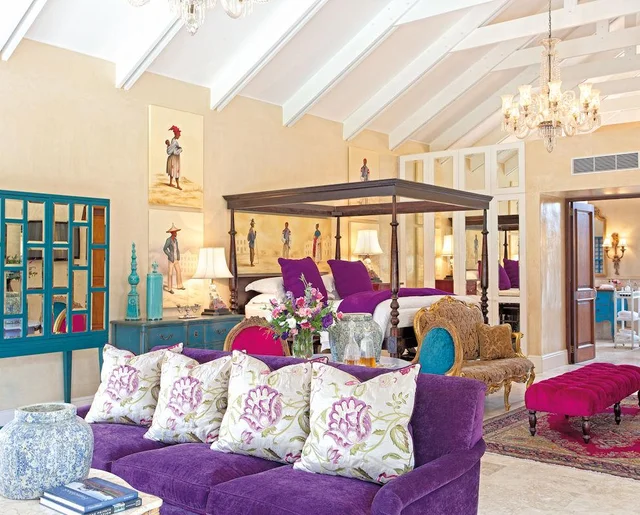
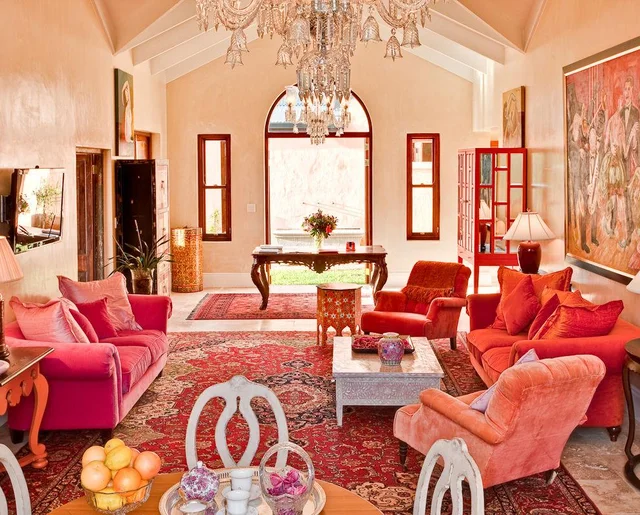
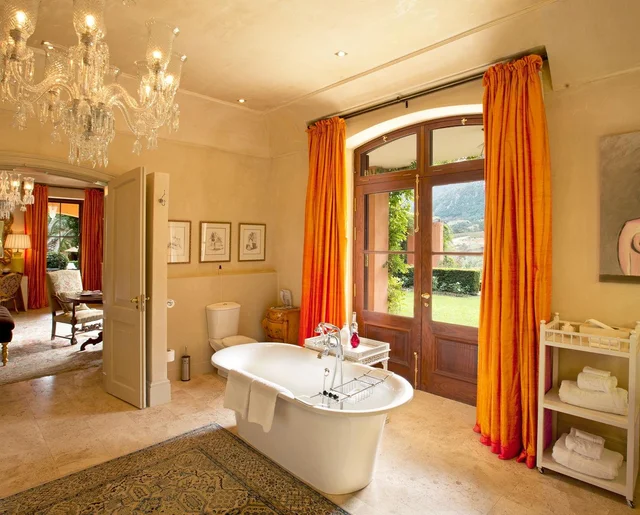
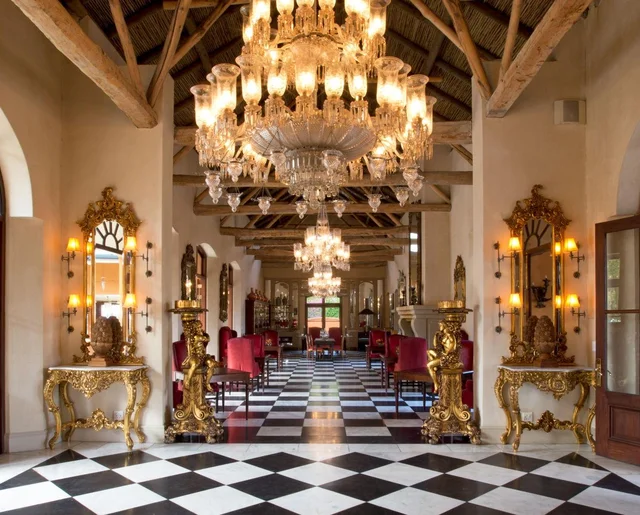
A night or two on a wine estate changes the Winelands from a beautiful day trip into a proper chapter of the journey. Mornings start among vines, not traffic. Dinner is close enough to walk back from. The whole experience feels less like “doing the Winelands” and more like belonging to it for a while.
Estate stays can be romantic, family-friendly, design-led, food-focused, or wonderfully rural, depending on where you stay. Stellenbosch suits guests who want heritage, wine-route variety, and town energy nearby. Franschhoek is perfect if food and art are the order of the day, while Paarl and the surrounding area offer serious wine farms with a laid-back countryside feel.
We’ve answered the questions travellers most often ask about visiting the Cape Winelands.
For most first-time visitors, the main Cape Winelands hubs are Stellenbosch, Franschhoek, and Paarl. Constantia, South Africa’s oldest wine-producing area, sits within Cape Town’s southern suburbs and is often included in the wider Cape wine conversation, especially for guests who want a shorter wine-focused outing from the city.
Stellenbosch is often the better first choice if you want the Cape Winelands in a broader, more layered form: historic streets, a lively university-town feel, and plenty of variety in how the day can unfold.
Franschhoek is smaller and more chic, with a stronger food-led focus and a village centre that makes it easy to settle in for a slower stay. Many guests stay in one and visit the other, and our Travel Experts will guide the choice around your pace, restaurant priorities and wider South Africa itinerary.
Stellenbosch and Paarl are a 45-minute drive from Cape Town city centre, while Franschhoek sits slightly further afield. From Cape Town International Airport, Stellenbosch and Paarl are easily accessible, making them practical first or last stops on a wider South Africa itinerary.
Private transfers are the most comfortable option, especially if you want to visit several estates across Stellenbosch, Franschhoek, and Paarl in one day.
The Franschhoek Wine Tram works well for a more social, hop-on, hop-off experience within Franschhoek, but it’s less tailored than a private guided day, and tastings are usually paid for separately at each estate.
Two to three nights give you enough time to visit multiple estates, eat well, and settle in without rushing. A single full-day visit is possible as part of a Cape Town stay, but it limits how deeply you can explore.
Harvest runs from approximately February to April, when estates pick their grapes and are at their most active. This is when you’re most likely to enjoy barrel tastings, participation in the harvest, and access to winemakers during their most engaged period of their craft.
March and April are particularly pleasant, with softer temperatures and fewer visitors than the height of summer.
Yes. The Winelands works well as a gentle arrival point for a broader South Africa itinerary – many guests spend their first night or two on a wine estate before heading into Cape Town, along the Garden Route, or up to Kruger for a luxury safari.
Our Travel Experts plan multi-destination itineraries that connect the Winelands with the rest of your journey.
Where you stay changes the whole feel of the visit. Stellenbosch suits guests who want heritage, estate variety, Cape Dutch architecture, and a town abuzz with energy.
Franschhoek is best for food-led stays, small-town charm, galleries, and easy access to award-winning restaurants. Paarl and the surrounding wine farms offer more space, mountain scenery, old estates, and a grander countryside feel.
We’ll match the town, property, and pacing to the kind of Winelands experience you’re after, be it a romantic estate stay, a family-friendly boutique hotel, or a quieter retreat with room to properly exhale.
The Cape Winelands are best enjoyed when the day is paced to perfection. It is all too easy to arrive for “one tasting” and suddenly find yourself lingering over a second glass, a cellar tour or a view you are not quite ready to leave.
Estate visits, tastings, and restaurant bookings should be planned with enough breathing room between them, especially in summer and harvest season when the most sought-after tables and cellar experiences fill up quickly.
We’ll arrange the route, reservations, and private transfers, so you can enjoy the wine, scenery, and lunch without worrying about timings, directions, or who has to drive.
Yes. The Cape Winelands has a deep bench of historic and contemporary estates, from grand old names to smaller producers that reward a little curiosity. Depending on your interests, we can include landmark estates such as Spier Wine Estate, design-led stays like Mont Rochelle, or lesser-known producers where the cellar door experience feels more personal.