In Sabi Sand Game Reserve, even a pawprint can set your pulse racing. Your tracker spots a fresh impression in the sand. Your guide picks up on an alarm call somewhere in the bush. And suddenly, everyone’s attention turns to a suspiciously promising patch of shade beneath a tree. Could there be a leopard lounging just out of sight? Perhaps. Perhaps not. But that’s half the fun. Every clue is worth following, and you never quite know what’s around the next bend.
Sabi Sand Game Reserve Highlights
- Excellent leopard viewing, with experienced guides and trackers
- Big 5 wildlife roaming freely across the Greater Kruger ecosystem
- Limited game drive vehicles at sightings and permitted off-road tracking
- Night drives, walking safaris, and amazing wildlife photography opportunities
- Luxury lodges range from family-friendly camps to intimate safari retreats
Kruger National Park in 90 seconds
In Africa, It's Not About What You Know, But Who You Know.
We've partnered with the best to ensure you get front row seats at the best possible price.


Item 1 of 4
Where to Stay in Sabi Sand
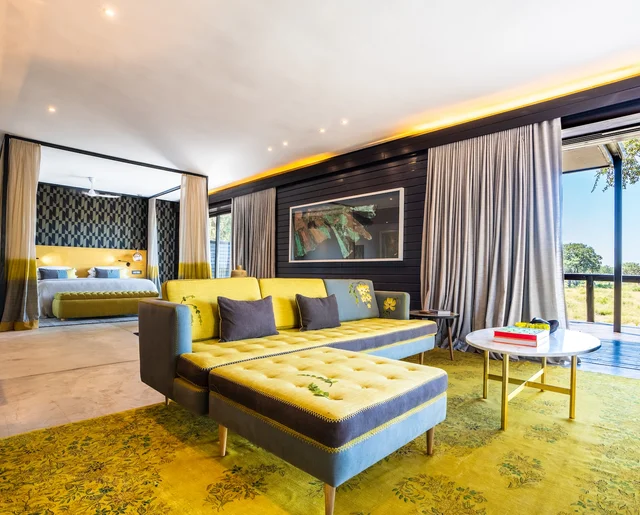
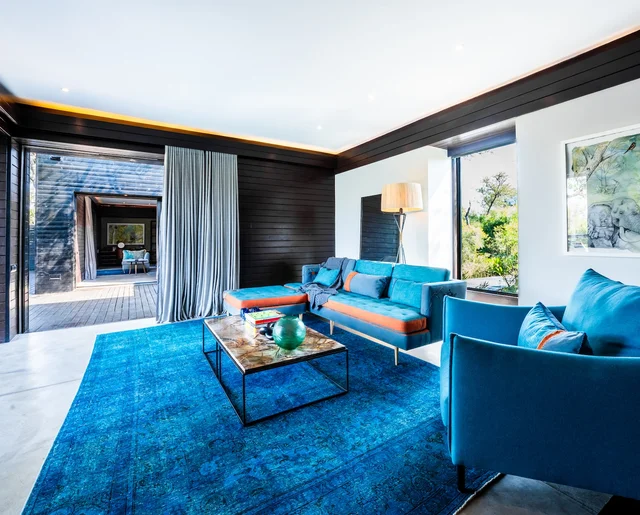
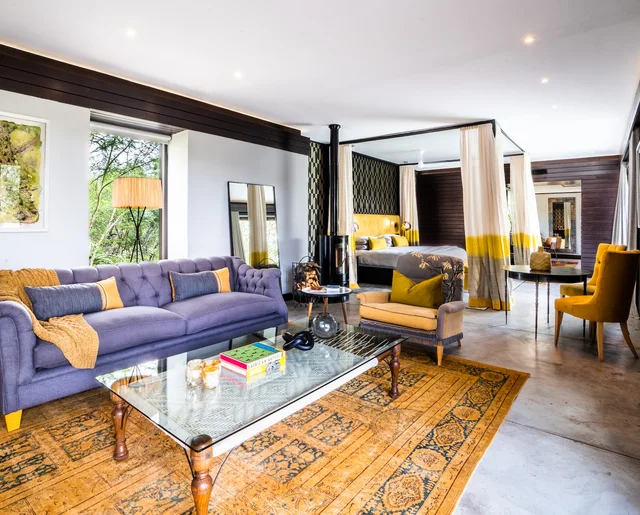
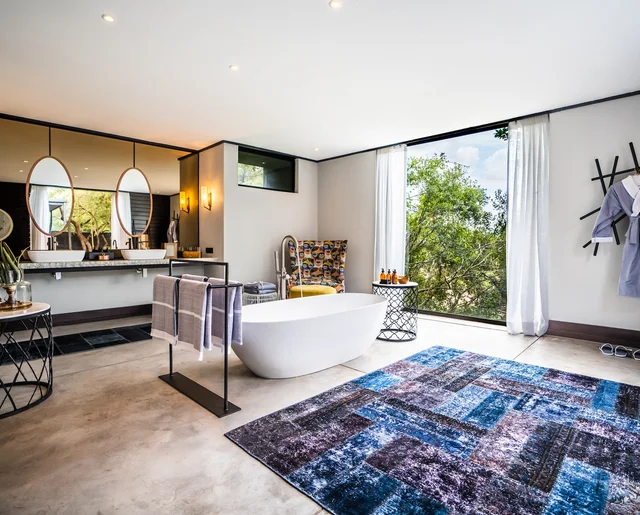
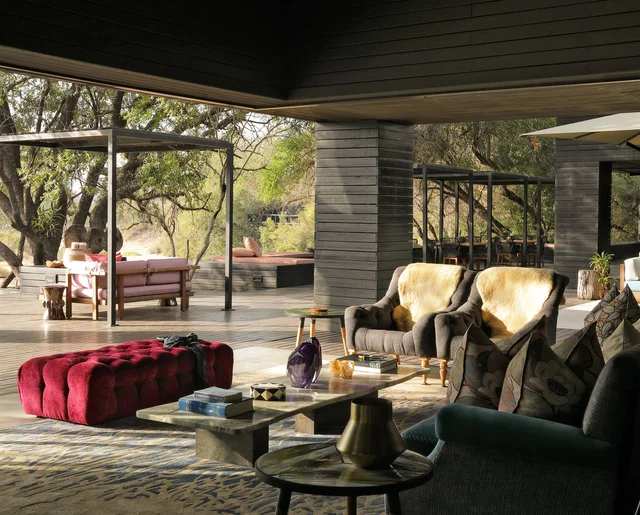
Connect with the African wilderness and enjoy our continent’s warm hospitality. Here are some of our favourite luxury lodges in Sabi Sand.
Item 1 of 5
Frequently Asked Questions
We've taken the liberty to answer everything you may need to know about visiting Sabi Sand Game Reserve
Both share the same Greater Kruger ecosystem, with no fence preventing wildlife from moving between them. The main difference is how you experience the safari.
Kruger National Park offers extensive public roads, self-drive safaris, and a wider range of accommodation. Sabi Sand is privately managed, with guided game drives, controlled vehicle access, and opportunities for off-road tracking, night drives, and walking safaris.
Kruger gives you the freedom to explore a vast national park, while Sabi Sand offers a more guided, personal safari experience.
Sabi Sand is famed for leopard sightings, excellent guiding, and uncrowded game viewing. Many of its resident leopards are accustomed to safari vehicles, allowing guests opportunities to observe behaviour that can be difficult to witness elsewhere.
Its unfenced connection to Kruger National Park also means you're exploring part of a much larger wildlife ecosystem, with strong Big 5 viewing throughout the year.
Absolutely. Sabi Sand is widely regarded as one of Africa's most rewarding destinations for leopard viewing.
Over many years, guides and trackers have built detailed knowledge of individual animals, their territories, and their habits. This familiarity, combined with careful off-road tracking, can turn a fleeting sighting into an extended opportunity to observe leopard behaviour.
Wildlife is never predictable, however, and even here no leopard sighting can be guaranteed.
August and September are particularly good choices for wildlife viewing. Conditions are generally dry, vegetation is thinner, and animals can be easier to spot.
June and July are also excellent, although early-morning game drives can be cold. For a balance of comfortable temperatures and greener scenery, consider April.
Sabi Sand remains a rewarding safari destination throughout the year, so your preferred weather and interests should help determine the dates.
Sabi Sand sits at the higher end of South Africa's safari market because you're paying for more than accommodation.
Privately managed wildlife areas, specialist guides and trackers, limited vehicle access, conservation work, and high levels of personalised service all contribute to the cost. Many luxury lodge rates also include meals and guided safari activities, although inclusions differ.
We recommend comparing the complete safari experience rather than the nightly room rate alone. Two lodges may cost similar amounts but offer quite distinct guiding arrangements, accommodation, and inclusions.
If excellent guiding, leopard viewing, and a more personal safari experience are priorities, Sabi Sand is certainly worth considering.
The ability to follow wildlife off-road where permitted, spend longer observing sightings, and explore after dark offers advantages over a conventional self-drive safari.
That said, it isn't the only way to have an exceptional Kruger safari. If you'd prefer independent exploration, a wider range of accommodation, or a longer self-drive adventure, Kruger National Park may be a better fit.
The best lodge depends on the safari you're planning.
Londolozi is particularly well known for its leopard-tracking heritage, Sabi Sabi Bush Lodge is a strong family option, and Earth Lodge suits guests who appreciate contemporary architecture. Singita Boulders, Chitwa Chitwa, Lion Sands Ivory Lodge, and Dulini Moya are also firm favourites.
We'll recommend a lodge based on your travelling party, preferred atmosphere, guiding priorities, and the area of the reserve you'd like to explore.
Comfortable layers in neutral colours are your best bet. You don't need a wardrobe entirely dedicated to khaki.
Bring lightweight shirts, trousers or shorts, a sun hat, sunglasses, and comfortable closed shoes. During winter, add a warm jacket, fleece, beanie, and gloves for early game drives. Summer visitors should prepare for heat, humidity, and occasional rainfall.
Sun protection and insect repellent are useful throughout the year. If you're planning a walking safari, check whether your lodge recommends any additional clothing or footwear.
Yes. Sabi Sand Game Reserve falls within a malaria-risk area in Mpumalanga.
Speak to your doctor or a travel-health clinic before departure about appropriate malaria prevention, including whether antimalarial medication is recommended for your circumstances.
Mosquito-bite precautions are important throughout the year. Use insect repellent, wear suitable clothing, and follow the health guidance provided for your trip.
Yes, although choosing the right lodge is especially important.
Several Sabi Sand properties welcome families and offer children's activities, family suites, and flexible arrangements. Sabi Sabi Bush Lodge is one example.
However, minimum ages for game drives, walking safaris, and certain lodge facilities differ. Families with younger children may benefit from a private safari vehicle or a lodge with dedicated children's programmes.
We'll check those details before recommending where to stay.