Swakopmund is Namibia’s coastal counterpoint, where the Namib Desert meets the Atlantic Ocean. Palm-lined streets, German colonial buildings, and a cool sea breeze give the town a character unlike anywhere else in the country.
Swakopmund Highlights
- German colonial architecture and café culture
- Sandwich Harbour and Skeleton Coast scenic flight
- Dolphin and seal sightings from Walvis Bay
- Adventure activities across dunes and sea
- A seamless coastal stop in Namibia itineraries
In Africa, It's Not About What You Know, But Who You Know.
We've partnered with the best to ensure you get front row seats at the best possible price.


Item 1 of 4
Where To Stay in Swakopmund
Not all Swakopmund properties are created equal! Our Travel Experts have slept in these beds and are thus well-equipped to match your individual needs and requirements!
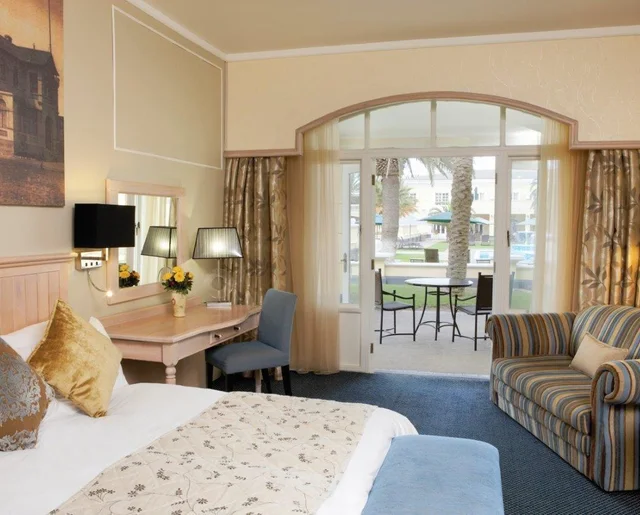
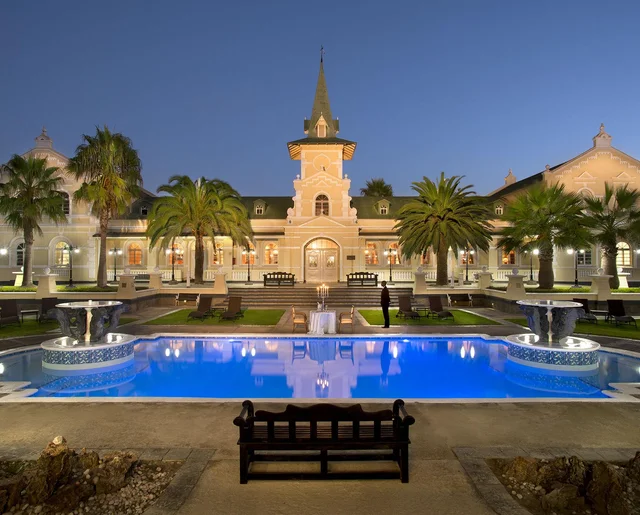

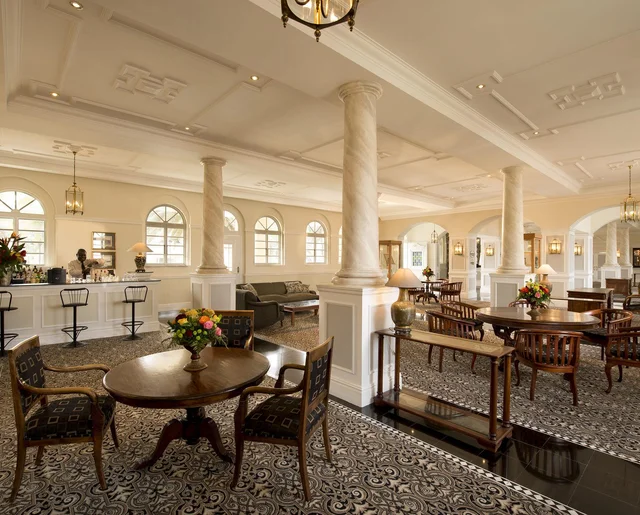
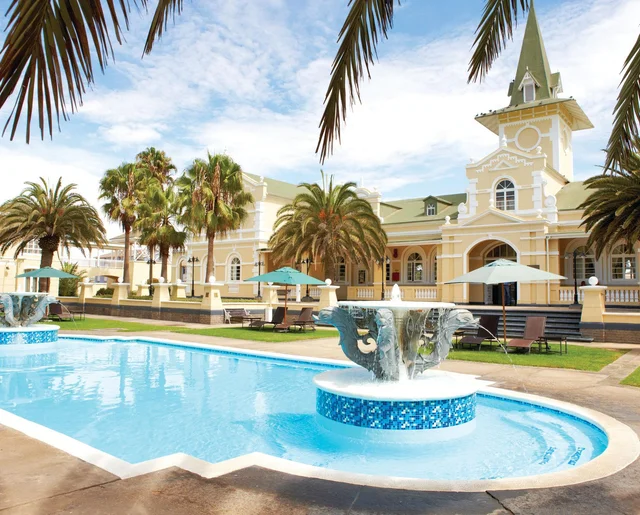
Item 1 of 5
Property of the month
Swakopmund Hotel and Entertainment Centre
Architectural beauty with first-world comfort
View the propertyFrequently Asked Questions
We've taken the liberty to answer everything you may need to know about visiting Swakopmund
Our Travel Experts recommend accommodation based on your specific requirements – honeymooners seeking beachfront romance, families wanting central access, or guests prioritising German colonial character. We'll match you to boutique guesthouses, contemporary beachfront locations, or luxury lodges for your coastal adventure.
Two to three nights is ideal. It gives you enough time for a mix of adventure, marine activities, and downtime before moving on.
Swakopmund is around a four-hour scenic drive from Windhoek along excellent tar roads, or a 30-minute transfer from Walvis Bay airport. Our Travel Experts coordinate all ground transfers as part of your broader Namibian travel guide.
Absolutely – a self-drive safari tour from Windhoek follows well-maintained tar roads through dramatic desert landscapes, one of Namibia's most scenic drives. We recommend a 4x4 for broader exploration, though standard vehicles work for the main Swakopmund route.
Yes, it’s one of Namibia’s more established and traveller-friendly towns, with strong tourism infrastructure.
Its mix of desert, Atlantic coastline, colonial architecture, and adventure experiences makes it feel entirely distinct.
Swakopmund integrates beautifully into luxury Namibian journeys, sitting naturally between Sossusvlei's dunes and Etosha National Park. Most guests include two to three nights as a coastal counterpoint to inland Namibia safari experiences. You can even combine Swakopmund with a wider Southern Africa itinerary.
Surrounded by the Namib Desert on three sides and the cold Atlantic waters to the west, Swakopmund has a desert climate with mild conditions year-round, making it a wonderful place to stay. The average temperature ranges between 15°C to 25°C. However, if you are combining Swakopmund with a well-rounded trip to Namibia (as most people do), here is more information regarding the country's climate as a whole.
Summer
From November to April, days are generally hot and sunny. Daytime temperatures can rise to 35ºC (above 40ºC recorded in the extreme north and south), and night temperatures drop to around 14ºC - 18ºC. The coastal region is cool and dry throughout the year. The rainy season runs from February to March, and average rainfall varies from less than 50mm along the coast to 350mm in the central region and 700mm in the far north-eastern region.
Winter
Between May to October, days are dry, sunny and mild to warm while evening temperatures drop sharply. Daytime temperatures generally reach 23ºC and can drop to as low as 0ºC - 10ºC at night. It can be pretty cold and windy at the coast, for which warm clothing and a windbreaker are necessary.
Pack layers for Swakopmund's temperate climate – light clothing for daytime activities plus warmer layers for cool mornings and evenings. Essential items include a windbreaker, comfortable walking shoes, and sun protection despite moderate temperatures.
English is widely spoken throughout Swakopmund's tourism sector, making communication effortless. You'll also hear German frequently as a colonial heritage legacy, plus Afrikaans and indigenous languages.
Founded in 1892 when the Germans colonised Namibia, Swakopmund has retained much of its European influence with German cuisine and architecture. You'll also find that most of the locals speak fluent German. However, beyond this charming town, Namibia is home to a surprising variety of cultures and traditions for such a sparsely populated country. These include many local tribes such as San People, the Nama, Damara and Herero.